
High blood pressure, also known as hypertension, is a common condition in which the force of blood against artery walls remains consistently elevated. Over time, this can place additional strain on the heart and blood vessels.
One of the challenges is that high blood pressure often causes no noticeable symptoms. A person can feel completely well while their blood pressure remains above the recommended range.
Understanding Blood Pressure Readings
A blood pressure reading contains two numbers. The first, systolic pressure, measures the pressure when the heart contracts. The second, diastolic pressure, measures pressure between heartbeats.
Blood pressure categories and treatment thresholds can vary according to clinical guidelines and individual circumstances. A single elevated reading does not necessarily establish a diagnosis, which is why repeated measurements and professional assessment are important.
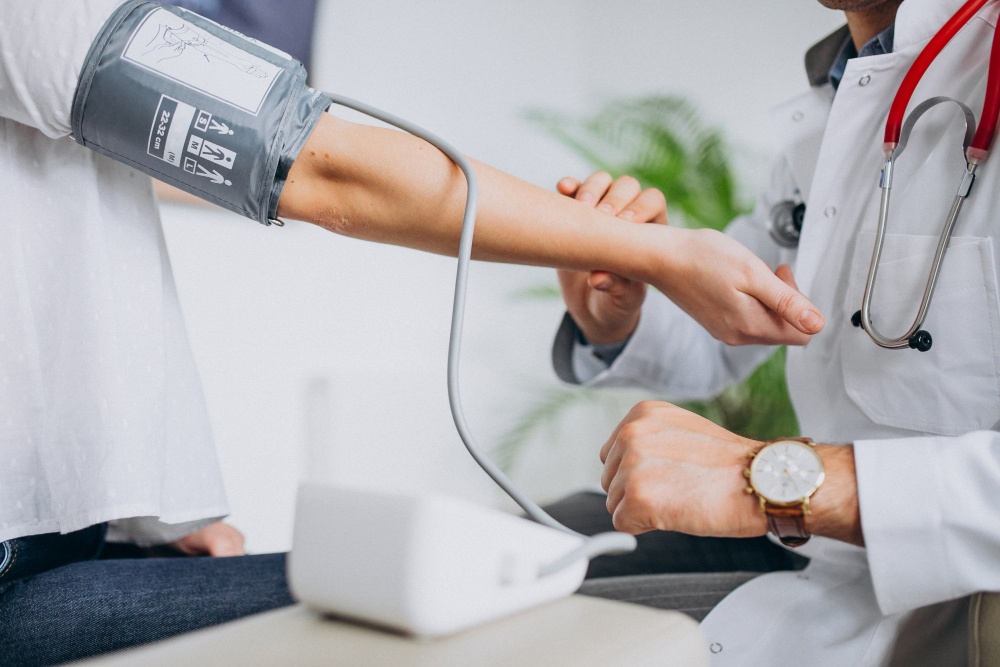
Home monitoring can help provide a more complete picture. Use a validated upper-arm monitor, sit quietly for several minutes before measuring, keep your back supported, and rest your feet flat on the floor. Follow the instructions provided by your healthcare professional.
Everyday Habits That Can Help
Lifestyle changes can support blood pressure management.
Reducing excess sodium, eating more vegetables and fruit, maintaining a healthy weight when appropriate, exercising regularly, and limiting alcohol can all contribute to better blood pressure control.
A dietary pattern emphasizing vegetables, fruits, whole grains, legumes, and appropriate sources of protein may be beneficial. Regular physical activity, such as brisk walking, can also help.
Avoid smoking, and consider ways to manage ongoing stress and improve sleep.
However, lifestyle measures do not always lower blood pressure enough on their own. Many people need medication, and prescribed treatment should not be stopped or changed without consulting a healthcare professional.
Why Treatment Matters
Uncontrolled hypertension increases the risk of heart disease, stroke, kidney disease, and other complications. Regular monitoring helps identify whether a treatment plan is working and whether adjustments are needed.
If your readings are consistently elevated, arrange an appointment to discuss them.
Very high readings, around 180 systolic and/or 120 diastolic, require prompt attention. If accompanied by chest pain, shortness of breath, weakness, confusion, or changes in vision, seek emergency medical care.
Make Monitoring a Routine
Blood pressure management is a long-term process. Knowing your numbers, following professional advice, taking medication as prescribed, and maintaining realistic lifestyle habits can all help protect your health.
Don’t wait for symptoms to appear before paying attention to blood pressure. Regular checks can reveal a problem that might otherwise go unnoticed.