
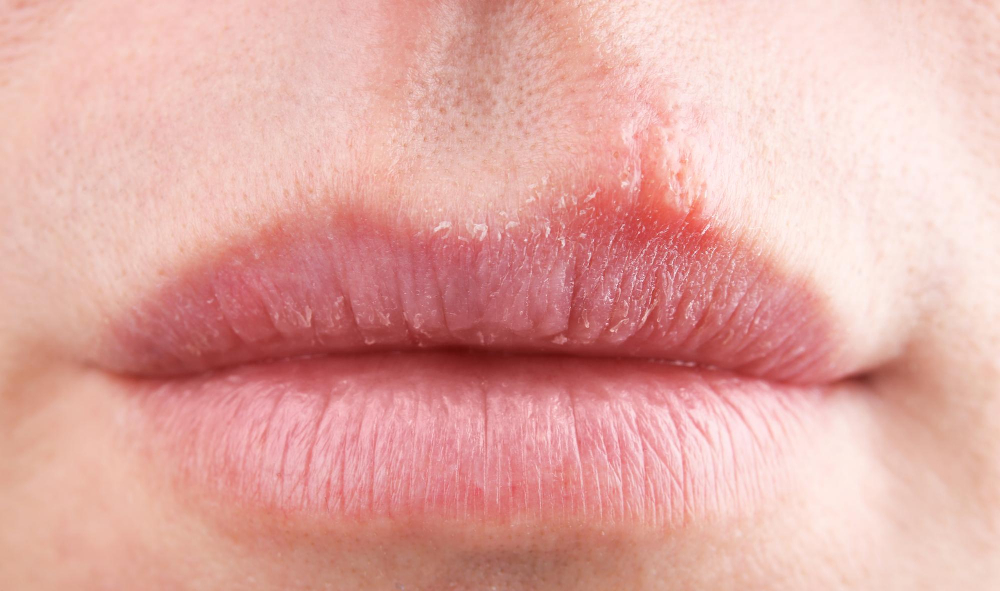
Herpes is a common viral infection, but misunderstandings about it can create unnecessary anxiety and stigma. Learning how the virus spreads, recognizing possible symptoms, and understanding available treatments can help people make informed decisions about their health and relationships.
There are two main types of herpes simplex virus: HSV-1 and HSV-2. Both can cause oral or genital herpes, although HSV-1 commonly causes cold sores around the mouth, while HSV-2 is a frequent cause of genital herpes.
What Are the Symptoms?
Some people experience noticeable symptoms, while others have mild signs or none at all.
Possible symptoms include clusters of painful blisters or sores around the mouth or genital area. An initial episode may also involve fever, body aches, swollen lymph nodes, or discomfort when urinating.
After the initial infection, the virus remains in the body and can reactivate. Some people experience recurring outbreaks, while others have few or no further symptoms.
Because other conditions can cause similar sores, a healthcare professional can help determine the cause. A swab from a fresh lesion can be particularly useful for testing.
How Does Herpes Spread?
Oral herpes can spread through direct contact, including kissing. Genital herpes can spread through sexual skin-to-skin contact, including oral, vaginal, or anal sex.
Transmission can occur even when visible sores are absent because the virus may be shed from the skin without obvious symptoms.
Condoms and other barrier methods reduce, but do not eliminate, the risk of transmission because uncovered skin can still carry the virus. Avoiding sexual contact during outbreaks or when warning symptoms occur can also reduce risk.
People who have concerns about possible exposure can discuss testing with a healthcare professional. Blood tests have limitations and are not appropriate for every situation.
What Treatments Are Available?
There is currently no treatment that eliminates herpes simplex virus from the body. However, antiviral medications such as acyclovir, valacyclovir, and famciclovir can help manage outbreaks.
Treatment may shorten an episode, reduce symptom severity, or, when taken regularly, reduce the frequency of outbreaks. Daily suppressive therapy can also lower the risk of transmission in certain circumstances, although it cannot eliminate that risk.
Home remedies marketed as permanent cures should be approached cautiously. Some can irritate sensitive skin or delay appropriate care.
Living Well With Herpes
A herpes diagnosis does not define a person’s worth or prevent them from having meaningful relationships. Honest communication, appropriate treatment, and informed decisions can help partners navigate the condition together.
Seek medical advice if you develop unexplained sores, have severe symptoms, or think you may have been exposed. Prompt assessment is especially important during pregnancy, in newborns, or in people with weakened immune systems.
With accurate information and appropriate care, herpes can often be managed effectively.